Cactus, Western Sublimation Review
As a designer who spends half my life staring at stitch charts and the other half worrying about client expectations, I don’t just look at a design file; I look at how it will behave under the needle. When I first pulled up Cactus, Western Sublimation, I wasn’t thinking about its metadata or its pixel dimensions. I was thinking about texture, mood, and whether this piece would hold up in a real-world application like a custom tote bag for a boutique or a personalized sweatshirt for a holiday gift.
The market is flooded with generic clip art, but there is a distinct difference between a graphic that looks good on a screen and one that translates well into thread. This review breaks down Cactus, Western Sublimation from the perspective of practical embroidery application, focusing on where it shines, where it might struggle, and how to position it for maximum impact in your craft business or personal projects.
First Impressions: Mood and Visual Personality
The title alone suggests a specific aesthetic. "Western" implies ruggedness, desert landscapes, and perhaps a touch of vintage Americana, while "Sublimation" hints at vibrant, all-over color potential. However, since this is delivered as a PNG with a transparent background, we are dealing with a raster image intended for print-to-embroidery workflows or direct printing applications rather than a vector-based machine embroidery file.
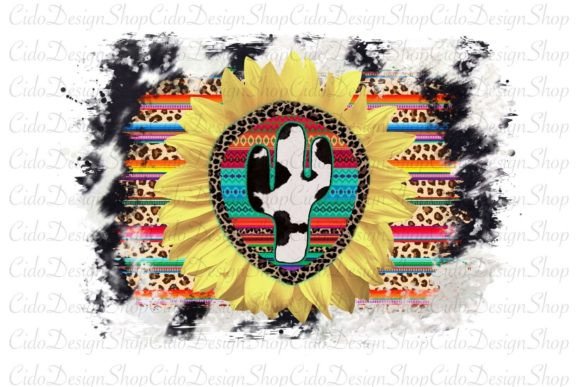
Visually, the design carries a strong, recognizable silhouette. In the world of handmade products, recognition is key. A customer scrolling through an Etsy listing needs to understand the vibe within seconds. Cactus, Western Sublimation delivers that instantly. It feels grounded and earthy, making it perfect for brands that want to project a relaxed, bohemian, or rustic identity. The layout appears balanced, avoiding the cluttered feel that often plagues busy western-themed designs. It doesn’t scream for attention; it invites the viewer in, which is exactly what you want for a high-end personalized gift or a subtle brand accent on apparel.
Real-Life Application: From Screen to Stitch
Let’s talk about how this design performs when moved from a digital mockup to a physical product. Imagine you are preparing a batch of custom embroidered tote bags for a local craft fair. You have chosen a heavy canvas bag, and you want to add a touch of personality without overwhelming the fabric. Placing Cactus, Western Sublimation on the front panel offers a striking focal point. Because the PNG has a transparent background, it integrates seamlessly onto the fabric texture without unsightly white boxes or awkward borders.
For small business owners and Etsy sellers, versatility is currency. This design isn’t limited to one product type. Consider a baby shower gift: a soft muslin blanket with Cactus, Western Sublimation subtly placed in the corner creates a nursery decor item that stands out from the usual pastel clouds and stars. Or perhaps a kitchen towel for a housewarming gift. The western theme pairs wonderfully with farmhouse-style kitchens, adding a pop of character to tea towels and aprons.
When used in commercial embroidery projects, such as branded merchandise for a coffee shop or a boutique hotel, this design adds a layer of professionalism. It signals that the owner cares about details. However, because it is a PNG, the "stitch" effect is simulated if printed, or it must be digitized if used for actual machine embroidery. If you are using this as a guide for digitizing, the clear lines of the cactus shape provide a solid foundation for satin stitches along the edges and fill stitches for the body, ensuring that the final finished product retains the crispness of the original graphic.
Where Caution Is Required
No design is flawless, and Cactus, Western Sublimation is no exception. Its success depends heavily on execution. One area where designers often stumble is scale. If you attempt to shrink this design too small, say for a tiny pocket logo on a cap, you risk losing the visual impact. The intricate details that give the cactus its personality may become muddy or indistinguishable, especially if the stitching density is not adjusted properly. Always test the design in your hoop size before committing to a full production run.
Fabric choice is another critical factor. While this design works beautifully on stable fabrics like cotton canvas or denim, it can present challenges on stretchy knits or highly textured materials. On a slouchy hoodie or a thin t-shirt, the design might pucker if the stabilizer isn’t chosen correctly. For curved surfaces like baseball caps, the flat nature of the PNG might require careful warping during the digitization phase to ensure it follows the curve of the hat without distorting the cactus shape.
Additionally, consider the background. Since the PNG is transparent, it relies entirely on the fabric color beneath it. On dark fabrics, you will need to use a light-colored thread or a backing material to ensure contrast. On light fabrics, dark threads will pop, but you must ensure the design elements are dense enough to cover the fabric completely. Avoid placing this design on areas that undergo frequent washing and friction, such as the cuff of a sweatshirt, unless you are confident in the durability of the stitch technique used.
Practical Designer Notes for Execution
To get the most out of Cactus, Western Sublimation, follow these practical steps:
- Test on Scrap Fabric: Before embroidering on your final product, always run a test on a scrap piece of the same fabric. This helps you gauge thread tension and stabilizer needs.
- Check Thread Color Contrast: Ensure your chosen thread colors provide sufficient contrast against the fabric. Low contrast can make the design look faded or unfinished.
- Review Stitch Density: If you are digitizing this PNG, pay close attention to the stitch density. Too much density can cause puckering; too little can leave gaps in the fabric coverage.
- Inspect Small Details: Zoom in on the design file. Are there tiny elements that might get lost in translation? Simplify if necessary.
- Black and White Mockups: View the design in grayscale to check for value balance. This ensures the design remains legible regardless of color variations.
- Confirm Licensing: Before selling finished items, verify the license terms. Some graphics allow commercial use for physical goods but restrict resale of digital files. Protect your craft business by staying compliant.
Final Verdict
Cactus, Western Sublimation is a versatile, mood-rich asset that fits naturally into the current trend of rustic and nature-inspired handmade goods. It appeals to a broad audience, from hobbyists making gifts to professional Etsy sellers looking for best-selling motifs. Its strength lies in its clear visual identity and adaptability across various products, from tote bag designs to sweatshirt embroidery.
However, its success hinges on proper technical execution. Treat it with respect, choose your fabrics wisely, and ensure your digitization or printing process maintains the integrity of the original image. When done right, this design doesn’t just decorate a product; it elevates it, turning a simple item into a memorable personalized gift or a standout piece of custom apparel. For designers seeking a reliable, aesthetically pleasing element to enhance their portfolio, Cactus, Western Sublimation is a worthy addition.