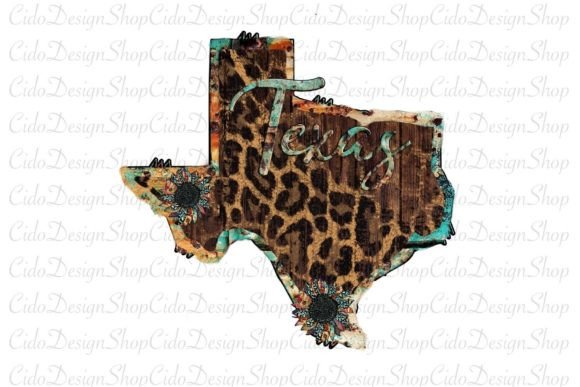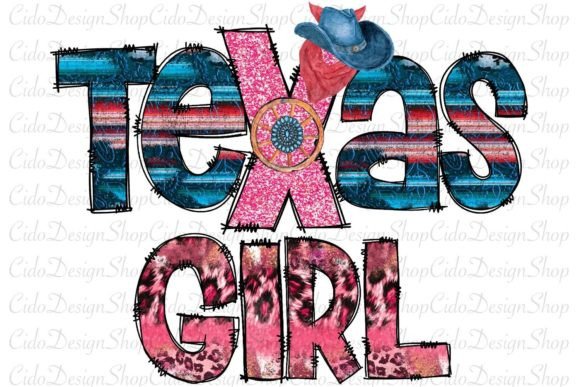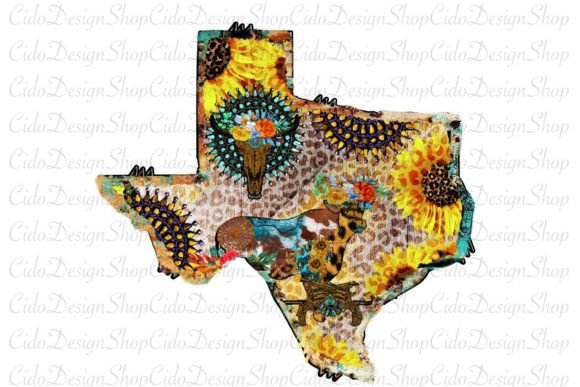
Texas Png, Western Sublimation Review
When I am scouting for a new design asset to add to my library, I am looking for more than just a pretty image. I need something that translates well from screen to stitch, holds up under the tension of an embroidery hoop, and resonates with customers who are browsing Etsy or walking through a craft fair booth. Recently, I evaluated Texas Png, Western Sublimation, a digital graphic file marketed toward sublimation and print-on-demand workflows. While it is sold as a PNG rather than a native machine embroidery digitization, its visual composition offers interesting possibilities for hybrid projects, mockups, and decorative accents. Here is my practical assessment of how this design fits into a real-world creative workflow.
First Impressions and Visual Personality
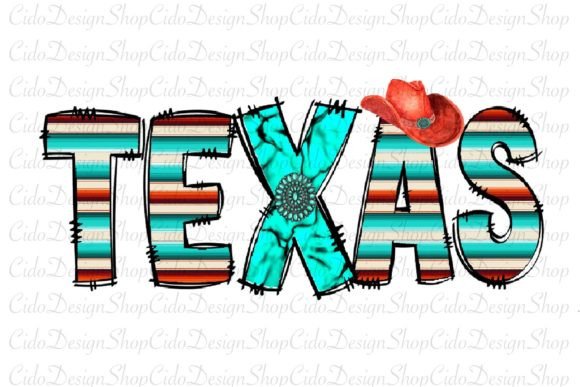
The moment you open the file, the mood is unmistakable. The title suggests a bold, rustic aesthetic rooted in Western culture, which is currently seeing a resurgence in handmade fashion and home decor. The layout feels spacious yet impactful, avoiding the cluttered look that often plagues low-quality digital assets. Because this is a high-resolution PNG with a transparent background, the isolation of the main elements allows me to visualize exactly where it would sit on a garment or accessory without worrying about awkward white boxes or mismatched borders.
For a designer, the clarity of the shapes is the first thing to check. Does the silhouette read clearly at small sizes? Yes. The core imagery retains its integrity even when scaled down, which is crucial for items like embroidered patches or cap fronts. However, because this is a raster image intended for sublimation, it lacks the vector precision of an SVG or the specific stitch-path logic of a true machine embroidery design. This distinction is vital. You are not buying a digitized file ready to hit "start" on your Tajima or Brother machine; you are buying a high-quality visual template that can be used in various ways.
Real-World Application: From Screen to Stitch
I put Texas Png, Western Sublimation through a series of mental and physical tests to see how it performs in actual production scenarios. Let’s imagine we are preparing a custom order for a boutique client who wants a set of personalized aprons for a local BBQ competition. The Western theme fits perfectly here. I would use the PNG as a base for a heat transfer vinyl (HTV) application or a direct-to-garment print, but what if I wanted to incorporate actual embroidery?
This is where the design shines as a reference. I could trace the main outlines to create a simplified applique design using heavy-duty felt or denim patches. The clean lines make it easy to plan out a satin stitch border around the central motif. Alternatively, I might use the PNG to create a printable mockup for my Etsy shop, overlaying it onto photos of sweatshirts or tote bags to show potential buyers how the final handmade product will look. This dual utility—serving as both a direct print asset and a conceptual guide for stitching—is a significant value add for a small business owner.
In terms of custom apparel, this design works exceptionally well for larger surface areas. A back-print on a heavyweight cotton sweatshirt allows the full detail of the Western graphics to breathe. For tote bag design applications, the transparency ensures that the fabric texture of canvas or jute shows through naturally, creating a layered, artisanal feel. It also pairs beautifully with embroidered patch aesthetics, where the graphic serves as the focal point surrounded by simple running stitch borders.
Where Caution Is Required
Not every design element translates easily to every medium, and Texas Png, Western Sublimation has specific limitations based on its format. Since it is a 300dpi PNG, fine details may pixelate if you attempt to enlarge it beyond its original dimensions. This means you must be careful with hoop size planning. If you try to scale this up for a large wall hanging or a wide banner, you risk losing the crispness that makes the design appealing.
Furthermore, because this is not a native embroidery file, you cannot rely on built-in stitch density settings. If you are tracing this into digitizing software, you must manually assign appropriate fill stitch and satin stitch parameters. Using default settings on complex curves can lead to puckering or thread breaks. Additionally, be mindful of thread colors. The PNG provides the color palette, but thread sheen differs from ink. A matte black thread may not match the deep contrast of the digital black, so always test your thread colors against the screen preview before committing to a full run.
Textured fabrics pose another challenge. On heavily textured materials like bouclé wool or coarse burlap, the edges of the PNG-based print or transfer might look uneven. In these cases, a smooth stabilizer is non-negotiable. When working with stretchy fabric like jersey knits for baby clothes, ensure you use a tear-away or cut-away stabilizer to prevent distortion, especially if you are combining this graphic with actual embroidery stitches nearby.
Impact on Brand and Customer Trust
Quality perception matters. When a customer receives a personalized gift or purchases a commercial embroidery item, they are judging the professionalism of the maker. A crisp, high-resolution graphic like Texas Png, Western Sublimation elevates the perceived value of the item. It signals that attention was paid to detail. Conversely, a blurry or poorly adapted graphic can undermine even the best stitching work.
For Etsy sellers and digital product sellers, this asset helps maintain brand consistency. You can use the same Western theme across multiple products—pillow covers, tea towels, and nursery decor—creating a cohesive collection that encourages cross-selling. The versatility of the PNG format means you can easily adjust hues to match seasonal trends, such as shifting to warm autumn tones for holiday embroidery projects.
Practical Designer Notes for Implementation
Before integrating this design into your production line, keep these essential steps in mind:
- Test on Scrap Fabric: Always run a sample on the exact fabric you plan to sell. Ink behaves differently on cotton vs. polyester blends.
- Check Contrast: View the design in black and white mode to ensure the shapes remain distinct without relying on color gradients.
- Inspect Small Details: Zoom in to 400% to identify any jagged edges that might become visible after printing or stitching.
- Confirm Licensing: Verify the commercial use rights. Even though this is a graphics asset, some licenses restrict resale of finished goods or require attribution.
- Use Proper Stabilizer: Match the stabilizer weight to the fabric weight to prevent warping during the production process.
In conclusion, Texas Png, Western Sublimation is a versatile visual tool rather than a plug-and-play embroidery file. Its strength lies in its clear, thematic execution and high resolution, making it ideal for mockups, direct prints, and as a blueprint for custom digitizing. By understanding its limitations and leveraging its strengths, designers and makers can create professional, market-ready products that stand out in a crowded marketplace.