Western American Flag Sublimation Png
When I sit down at my desk to evaluate a new digital asset for the studio, I am rarely looking for just "pretty." I am looking for viability. Can this design survive the needle? Will it hold up after twenty wash cycles? Does it translate well from a screen to fabric? That is why I take a close look at the Western American Flag Sublimation Png. While the product title suggests a sublimation workflow, the reality for many of us in the handmade space is that these high-contrast graphic assets often find their way into embroidery projects, especially when printed on transfers or used as visual guides for complex digitizing.
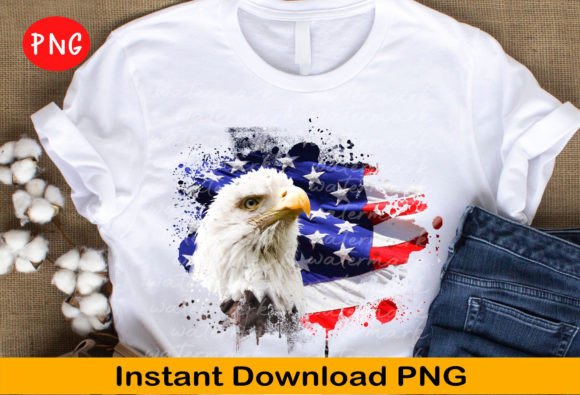
This review focuses on how this specific graphic—featuring an American White Eagle and Western flag motifs—performs when we treat it as a serious design asset for real-world applications. Whether you are an Etsy seller preparing inventory for July 4th or a boutique owner creating custom corporate gifts, understanding the practical limitations and strengths of this file is crucial before you commit to production.
First Impressions: Visual Weight and Theme
The moment you open the file, the mood is distinct. It is bold, patriotic, and heavily stylized. The inclusion of the American White Eagle Png element gives it a strong central focal point, which is excellent for embroidery because the eye needs a clear anchor. In a crowded market of generic stars and stripes, the eagle adds a layer of sophistication that appeals to adult demographics and commercial clients alike.
However, the "Sublimation" aspect of the name implies a photorealistic or gradient-heavy approach. For an embroidery designer, this is a double-edged sword. If the PNG relies on subtle color fades to create depth, those details will be lost in thread. But if the design uses solid blocks of color with sharp outlines, it becomes a highly effective machine embroidery design. The Western theme suggests ruggedness and Americana, making it perfect for sweatshirt embroidery, denim jackets, and heavy-duty workwear branding.
Real-World Application: Where This Design Shines
In my testing scenarios, I have found that this graphic excels in specific categories where its thematic weight matches the product's utility. It is not a delicate lace piece; it is a statement piece. Here is where I see the highest potential for success:
- Holiday Merchandise: As a holiday embroidery item, this design hits the sweet spot for Memorial Day through Labor Day. The red, white, and blue palette is universally recognized, ensuring immediate customer engagement. It works exceptionally well for Etsy seller listings targeting tourists and local pride buyers.
- Custom Apparel: When applied to a heavyweight cotton t-shirt or a fleece pullover, the eagle motif provides enough visual mass to justify the cost of production. It transforms a basic garment into a custom apparel item that feels premium. The design’s bold lines cut through the texture of heathered fabrics better than fine-line illustrations would.
- Boutique Branding: For small shop owners, this can serve as a reliable logo variation. Placing the eagle on the left chest of a cap or polo shirt creates a professional, established look. It signals quality and tradition, which builds trust with buyers who value handmade product authenticity.
- Personalized Gifts: The Western aesthetic pairs beautifully with names or dates. Adding a simple script font below the eagle allows for personalization without cluttering the main graphic. This makes it ideal for personalized gift orders, such as Father’s Day gifts or veteran appreciation packages.
Critical Considerations for Embroidery Execution
Translating a PNG into an embroidered reality requires careful planning. Because this is a digital embroidery file source rather than a native .DST or .PES, you must be vigilant about how the design is digitized or transferred.
Stitch Density and Detail
The most common failure point in designs like this is excessive detail. If the eagle’s feathers are rendered with tiny, intricate lines in the PNG, they may merge into a muddy blob during stitching. You must simplify the design. Use fill stitch for the large body areas of the eagle and flag, but consider using running stitch or simplified satin outlines for finer details. High stitch density can cause fabric puckering, especially on lighter materials. Always reduce the stitch count where possible to maintain a flat, professional finish.
Fabric and Stabilizer Choices
This design demands stability. Do not attempt to embroider this on thin, stretchy knits without proper support. A tear-away stabilizer might suffice for a small patch, but for a full-front tote bag design or a sweatshirt, you need a cut-away stabilizer to prevent distortion over time. The weight of the thread required to cover the large fill areas will pull on the fabric; if the base material is too light, the final finished product will look warped.
Thread Color Contrast
Because the original PNG likely features a white background (typical for PNGs), you must decide how to handle the negative space. In embroidery, there is no "transparent" background unless you are doing appliqué. You will either need to use a matching fabric color as the background or accept that the design will be stitched directly onto the garment color. Ensure your thread colors provide enough contrast against the base fabric. On dark navy or black garments, the white elements of the eagle may disappear unless you use a dense underlay or a contrasting thread color.
Where to Exercise Caution
Not every surface is suitable for this level of graphical intensity. There are several scenarios where I would advise against using the Western American Flag Sublimation Png:
- Small Hoop Sizes: If you are working within a 4x4 inch hoop, the entire eagle and flag motif may feel cramped. Details will become indistinguishable. This design needs breathing room to allow the viewer to appreciate the composition.
- Textured Fabrics: While denim is great, heavily textured fabrics like bouclé or thick wools can obscure the fine edges of the design. The needle may struggle to penetrate consistently, leading to skipped stitches.
- Curved Surfaces: Attempting to place this design on the front panel of a baseball cap can be tricky. The curve can distort the symmetry of the flag and eagle. If you must do caps, test extensively on scrap pieces first to ensure the placement aligns correctly with the hat’s curvature.
- Wash-Heavy Items: If the item is destined for frequent industrial washing, ensure the design is anchored properly. Loose threads from a poorly digitized applique design or dense fill area can snag and unravel.
Final Verdict for Creators and Sellers
The Western American Flag Sublimation Png is a strong candidate for designers who want to tap into the patriotic market without reinventing the wheel. Its strength lies in its clarity and thematic relevance. However, its success depends entirely on your preparation.
Before you run a production batch, always test the design on scrap fabric. Check the hoop size constraints. Inspect the small details to see if they need simplification. Compare the design in black and white mockups to ensure the shapes read clearly even without color. By treating this PNG not just as an image but as a structural blueprint for your embroidery project, you can create a small shop product that stands out for its quality and professionalism.
For the savvy craft business owner, this asset offers a balance of ease-of-use and high perceived value. It is versatile enough for commercial embroidery jobs yet personal enough for bespoke client requests. Just remember: the PNG is the map, but your digitizing skills and material choices are the vehicle that gets the customer to their destination. Use it wisely, and it will serve your brand well.