Retro Christmas Png, Cowboy Santa Png
As a designer who spends more time than I care to admit staring at stitch density charts and testing thread tension on scrap fabric, I don’t just look at a design file; I look at the finished product it will become. When I first pulled up Retro Christmas Png, Cowboy Santa Png, my immediate reaction wasn’t about the holiday spirit—it was about the layout. Would this translate well into a physical object? Could it hold its own on a busy craft fair table or in a cluttered Etsy feed? After running through a mental simulation of hooping, stabilizing, and stitching, I have some practical thoughts for anyone considering adding this graphic to their workflow.
The First Impression: Mood and Visual Weight
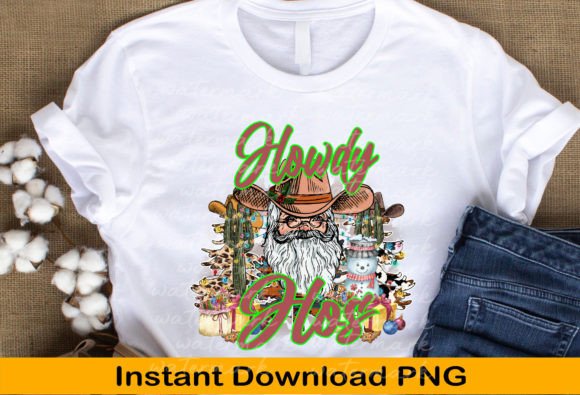
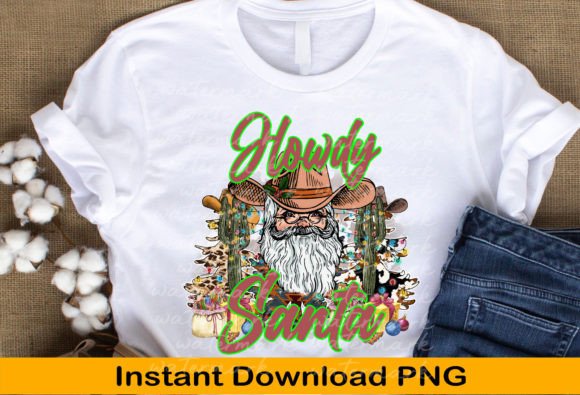
The moment you load the file, the retro aesthetic is unmistakable. It isn’t trying to be traditional, nor is it overly modern. There is a specific nostalgia here that works incredibly well for current trends in handmade goods. The "Cowboy Santa" theme taps into the Western Christmas vibe that has been steadily growing in popularity, particularly for boutique brands and family matching sets. Visually, the character stands out with a clear silhouette. For embroidery, clarity is king. If the eye doesn’t know where to look in the first three seconds, the design fails.
This design succeeds because it avoids visual noise. The lines are bold enough to suggest detail without demanding microscopic precision from your machine. It feels like a machine embroidery design that respects the medium. It doesn’t try to be a photograph; it embraces the graphic nature of stitched thread. This makes it an excellent candidate for custom apparel where you want the texture of the thread to add value, rather than fighting against fine details that might get lost in the fabric weave.
Real-World Application: From File to Finished Product
Let’s talk about where this actually lives. I’ve been thinking about how Retro Christmas Png, Cowboy Santa Png would perform on a few specific items, and the versatility here is impressive. Imagine a thick cotton canvas tote bag. A simple chest placement of this design immediately elevates the item from a generic gift to a curated boutique piece. The Western theme pairs beautifully with denim or neutral tones, making it a strong contender for tote bag design projects aimed at holiday shoppers.
Then there is the sweatshirt market. With the rise of "ugly Christmas sweater" culture moving toward "cool retro holiday wear," this design fits perfectly. On a heavyweight fleece or French terry crewneck, the contrast between the soft fabric and the structured stitches of the cowboy hat and beard creates a tactile experience customers love. It works as a standalone center chest graphic or could be balanced with smaller text elements on the back yoke.
I also see potential in baby items. A onesie or a burp cloth featuring this motif hits that sweet spot of cute and thematic. Parents are always looking for unique holiday gifts that aren’t just red and green stripes. This design offers personality. It transforms a standard baby embroidery project into a keepsake item. However, when scaling down for smaller items like embroidered patches or cap fronts, you need to be careful not to lose the character’s expression in the reduction.
Technical Considerations and Stitch Execution
Here is where the rubber meets the road. As a reviewer, I have to look at the mechanics. The description notes this comes as an SVG file compatible with various software suites. This is crucial. Before you even think about threading your needle, you need to convert this vector into a format your machine understands. Whether you are using a dedicated digitizing service or doing it yourself in Inkscape or CorelDRAW, pay attention to the conversion.
The design relies heavily on clean shapes. When converting, ensure that the curves of the Santa hat and the brim of the cowboy hat are smooth. Jagged edges in the digital file will result in visible puckering or uneven satin stitch coverage on the final product. You’ll want to check the stitch density carefully. Retro designs often use large areas of solid color. Make sure your fill stitches aren’t too dense, which can cause the fabric to pucker, especially on lighter materials like tea towels or thin cotton blends used for kitchen decor.
Thread selection is half the battle. This design begs for high-contrast colors. Think deep forest greens, rich burgundies, or classic navy blues against a cream or white background. Avoid low-contrast combinations like light yellow on white, which will disappear under the store lights. The thread colors should pop. If you are using metallic threads for the trim or buckle details, test them first—metallics can break if the tension isn’t dialed in perfectly.
Where to Exercise Caution
No design is perfect for every surface. There are scenarios where Retro Christmas Png, Cowboy Santa Png might struggle. Avoid placing this on highly textured fabrics like heavy bouclé wool or loose-weave burlap unless you are using a substantial stabilizer and perhaps an appliqué base. The texture of the fabric can obscure the finer details of the face and hat.
Stretchy fabrics are another pitfall. While you can embroider on knit tees, the inherent stretch can distort the circular elements of the design if not stabilized correctly. Always use a cut-away stabilizer for knits to prevent the hoop marks from lasting forever or the design from shifting during wear. Similarly, be wary of dark fabrics. If the original design relies on negative space or light-colored highlights, they may vanish on black material. Test your black and white mockups digitally before committing to expensive dark thread.
Business Value and Customer Appeal
For the Etsy seller or small shop product owner, this design is a strategic asset. It bridges two massive markets: holidays and western themes. This crossover appeal means your inventory isn’t limited to just December shoppers; it can appeal to year-round fans of western aesthetics who appreciate a seasonal nod. The retro style also lends itself well to branding. It looks professional, intentional, and timeless, unlike fleeting trend-based graphics.
When presenting this as a printable mockup or listing image, the design’s strong silhouette photographs well. It reads clearly at thumbnail size, which is critical for online sales. Customers trust designs that look crisp and deliberate. A sloppy execution can kill sales, but a clean, well-stitched version of this cowboy motif builds confidence in your craftsmanship. It signals that you understand both design and production.
Final Designer Notes
Before you rush to produce fifty units for a craft fair, take these steps:
- Test on Scrap: Always run a test stitch-out on the exact fabric and stabilizer combination you plan to use. Check for puckering, thread breaks, and alignment.
- Check Licensing: Ensure you have the correct commercial license for Retro Christmas Png, Cowboy Santa Png. Selling finished items requires different permissions than selling digital files. Verify this before listing on any marketplace.
- Inspect Details: Zoom in on the digital file. Are there tiny decorative elements that might not stitch well? Simplify if necessary by merging small shapes.
- Stabilizer Strategy: Use the right support. A lightweight tear-away might work for a sturdy tote, but a heavy sweatshirt needs something more robust to handle the weight of the stitches.
In conclusion, Retro Christmas Png, Cowboy Santa Png is a versatile, visually appealing graphic that translates well to embroidery when handled with technical care. It offers a fresh twist on holiday imagery that resonates with modern consumers. By paying attention to stitch quality, fabric choice, and proper stabilization, you can turn this digital asset into a high-value handmade product that stands out in a crowded market. It’s not just a Santa clipart; it’s a foundation for a cohesive, profitable collection.