Review: America, Western Sublimation Design
As a designer who spends more time staring at stitch charts and fabric swatches than sleeping, I have developed a fairly strict set of criteria for any new machine embroidery design that enters my workflow. It is not enough for a file to simply "work" in the hoop; it must translate beautifully from digital pixel to physical thread. Today, I am evaluating America, Western Sublimation, a graphic asset categorized under Print Templates and Graphics, to determine its viability for real-world embroidery projects, commercial merchandise, and personalized gifts.
First Impressions and Visual Personality
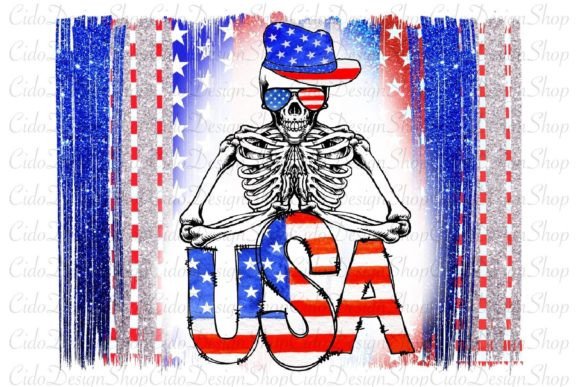
When you first load America, Western Sublimation into your digitizing software or preview window, the immediate takeaway is its bold, thematic presence. The title suggests a strong Americana or Western aesthetic, which inherently carries a specific mood: rugged, patriotic, nostalgic, or perhaps modern-rustic. For an embroidery project to succeed, especially one intended for sale on platforms like Etsy or in a boutique shop, the visual hook needs to be instant.
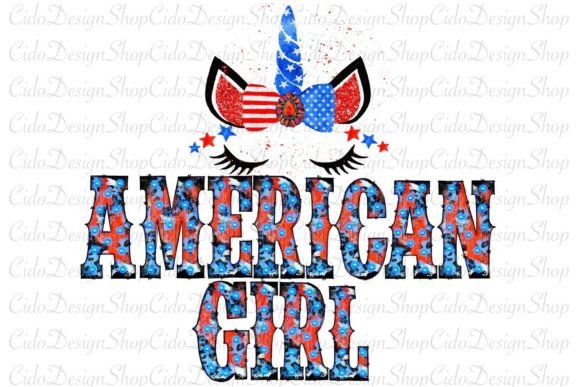
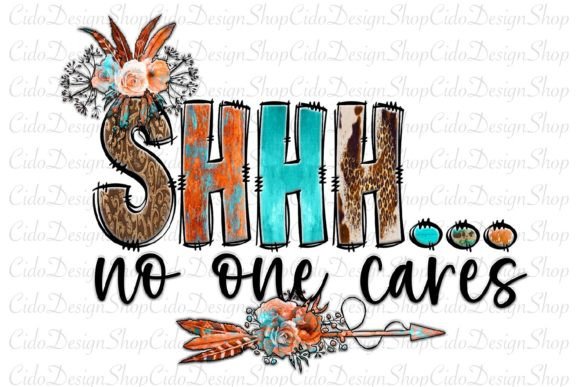
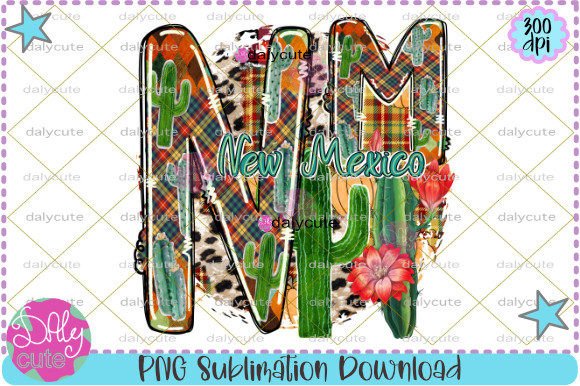
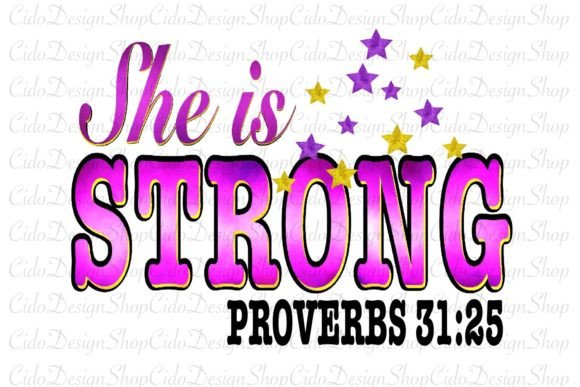
This design appears to leverage high-contrast elements typical of sublimation graphics, translated here into a format meant for textile application. The layout feels structured, likely relying on clear shapes rather than delicate, wispy details. This is a crucial distinction. In my experience, designs with sharp, defined edges tend to hold up better in machine embroidery than those with soft gradients, unless they are being converted into complex applique techniques. The "Western" theme often implies stars, stripes, silhouettes, or bold typography, all of which can look incredibly professional if the stitch density is managed correctly.
Real-World Application: Where This Design Shines
I recently considered using America, Western Sublimation for a batch of custom embroidered patches intended for a client’s denim jacket line. The goal was to create a piece that felt authentic to the brand’s heritage without looking cluttered. Because this asset is provided as a PNG with a transparent background at 300dpi, it serves as an excellent reference for placement and color blocking before any actual stitching begins.
Here is how this design translates across various popular handmade products:
- Custom Apparel and Sweatshirt Embroidery: The bold nature of the design makes it ideal for chest logos on hoodies or back prints on heavy cotton tees. The contrast required by the "sublimation" style usually pairs well with dark fabrics, creating a striking visual pop that customers appreciate in custom apparel.
- Tote Bag Design: Canvas tote bags are a staple for craft fairs and small business marketing. This design’s sturdy lines would withstand the friction of daily use while maintaining its shape. It works particularly well when centered on the bag, acting as a statement piece rather than a subtle accent.
- Holiday Embroidery and Gifts: Given the thematic elements suggested by the title, this design fits naturally into seasonal collections. Whether it is for the Fourth of July, Memorial Day, or general patriotic gifting, it offers a ready-made solution for personalized gift seekers looking for something distinct from generic store-bought items.
- Embroidered Patch and Cap Projects: If the design allows for a clean border, it can be digitized into a durable patch. When applied to caps or hats, the structured layout helps maintain legibility even on curved surfaces, provided the hoop size is appropriate for the curvature.
Technical Considerations and Potential Pitfalls
While the visual potential is high, there are significant technical hurdles to consider when working with a PNG-based digital embroidery file source. Since America, Western Sublimation is a raster image (PNG) and explicitly noted as not an SVG file, it lacks the inherent vector scalability and editable node structure of true vector graphics. This means that before it can be stitched, it must be traced or digitized manually or via auto-digitizing tools, both of which introduce variables.
Small Hoop Sizes and Detail Loss: One area where caution is required is small-scale reproduction. If you attempt to shrink this design down for a baby onesie or a tiny decorative accent, fine details may disappear or merge together. The satin stitch borders might become too narrow to hold their shape, leading to puckering or thread breaks. Always test on scrap fabric first to ensure the smallest elements remain distinct.
Fabric Texture and Stability: The success of this design heavily depends on the substrate. On smooth, tightly woven fabrics like polyester blends or stabilizers, the design will likely render crisply. However, on highly textured fabrics like raw denim or thick fleece, the design may get lost in the weave. Furthermore, because the original is a sublimation-style graphic, it may rely on color blending that does not translate well to thread. Thread colors are opaque; they do not mix optically like ink. You must carefully select your thread colors to mimic the intended gradient or shadow effects, which can increase production time.
Dense Stitch Areas: If the design includes large areas of fill stitch, you must ensure your stabilizer is robust enough to prevent fabric distortion. Heavy fill stitches on stretchy knits can cause the garment to warp after washing. For commercial embroidery projects where consistency is key, this risk must be mitigated through proper hooping technique and potentially cut-away stabilizers.
Strategic Advice for Sellers and Makers
For Etsy sellers and small shop product creators, the presentation of America, Western Sublimation is just as important as the stitching itself. Because the source is a PNG, you have the flexibility to create stunning printable mockups for your listings. You can place the design on various garments digitally to show customers exactly how it looks in different contexts without needing to produce every single sample physically.
However, transparency regarding the product type is vital. Clearly state that buyers are receiving a graphic asset or a design concept, not necessarily a pre-digitized .dst or .pes file ready for immediate stitching, unless you have already performed the digitization. Misleading customers about file formats is a common pitfall that leads to negative reviews. If you are offering this as a design asset for other designers to use, ensure your licensing terms clearly define whether it can be used for personal projects or if it extends to commercial embroidery rights.
Final Verdict
America, Western Sublimation is a strong candidate for makers who appreciate bold, thematic aesthetics. Its strength lies in its clarity and thematic resonance, making it suitable for handmade product lines focused on Americana, western wear, or patriotic themes. While it requires careful handling during the digitization process due to its PNG format, the end result can be a high-quality, professional-looking finished product.
To maximize its potential, I recommend testing the design on your specific fabric types, verifying the stitch density for durability, and ensuring that the final thread palette captures the mood of the original graphic. With proper preparation, this design can elevate your craft business offerings and provide customers with a memorable, well-crafted item.