Leopard, Western Sublimation Embroidery Review
As a designer who spends more time than I care to admit staring at stitch density charts and testing thread tensions, I don’t just buy designs because they look good on a screen. I buy them because they translate well into physical reality. When I first pulled up Leopard, Western Sublimation, my initial reaction was one of cautious curiosity. The concept is undeniably trendy—blending the wild, organic energy of a leopard print with the rugged, nostalgic aesthetic of Western motifs—but the execution in embroidery is where most designs fail. They look great as digital graphics but turn into muddy, unrecognizable blobs once stitched.
I wanted to put this design through its paces, not just as a static image, but as a potential asset for real-world projects. Whether you are an Etsy seller looking for your next best-selling listing or a hobbyist wanting to create a unique personalized gift, understanding how a design behaves before you hit the start button on your machine is crucial. This review breaks down exactly what I found when evaluating Leopard, Western Sublimation for practical use.
The First Impression: Mood and Visual Personality
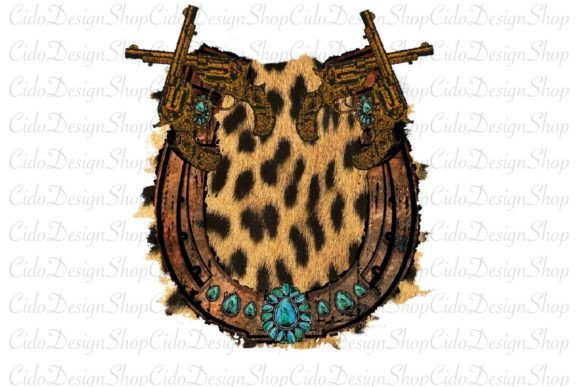
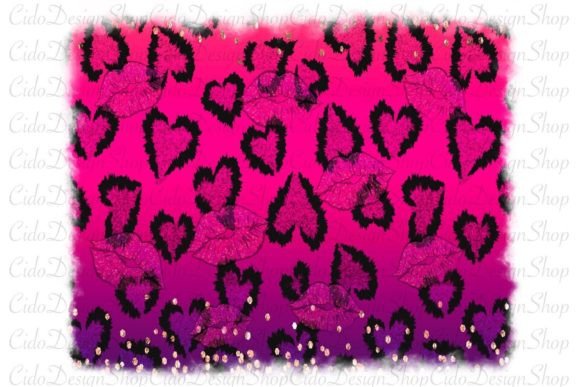
The moment you load Leopard, Western Sublimation into your digitizing software, the mood it sets is clear. It screams confidence. It’s bold, slightly rebellious, and undeniably stylish. Unlike generic floral patterns that feel safe and overdone, this design has a distinct visual personality. It feels like something you’d see in a high-end boutique or a curated craft fair booth. The layout balances the chaotic nature of animal print with the structured lines often associated with Western wear, creating a piece that feels both modern and timeless.
From a graphic standpoint, the contrast and shape definition are strong. For a machine embroidery design, this is vital. If the shapes are too intricate or lack clear separation, the eye gets lost. Here, the primary elements stand out clearly against the background. It creates a sense of movement and texture even before the thread touches the fabric. This kind of strong visual hierarchy is exactly what drives engagement on platforms like Instagram and Pinterest, making it a smart choice for design assets intended for social media marketing or printable mockups.
Real-World Application: Where Does This Design Shine?
To truly judge a design, you have to imagine it on a product. I ran several mental scenarios for Leopard, Western Sublimation, focusing on items that align with current market trends for handmade products and custom apparel.
The Custom Tote Bag
First, I imagined this on a sturdy canvas tote bag. The combination of a bold graphic and a functional item is a staple for the modern Etsy seller. The transparent background capability (provided via PNG) allows for easy placement, ensuring the design doesn’t clash with the bag’s existing seams or handles. On a neutral-colored tote, the leopard pattern would pop, appealing to buyers looking for statement accessories. It elevates a simple canvas bag into a fashion piece, increasing the perceived value of the finished product.
Sweatshirt Embroidery
Next, I considered a cropped hoodie or a heavyweight sweatshirt. Western themes pair exceptionally well with denim and fleece. Placing Leopard, Western Sublimation on the back of a sweatshirt or centered on the chest of a crewneck offers a fantastic opportunity for commercial embroidery. The design’s boldness ensures it remains visible and impactful even from a distance, which is critical for brand recognition at craft fairs or pop-up shops.
Baby Items and Nursery Decor
Surprisingly, this design also works well for gender-neutral baby gifts. A small, refined version of this motif on a muslin blanket or a onesie can be quite striking. Parents are increasingly moving away from traditional pastels, and a subtle leopard motif adds a touch of sophistication. However, for these applications, you would need to scale the design down significantly, which brings us to the importance of checking detail retention.
Technical Performance and Stitch Clarity
This is where the rubber meets the road. As a reviewer, I must emphasize that Leopard, Western Sublimation is provided as a PNG file with a transparent background at 300dpi. It is explicitly noted that this is not an SVG file. This distinction is massive for anyone working with digital embroidery files.
Because it is a raster image (PNG), it lacks the vector paths that allow for infinite scaling without quality loss. While 300dpi is excellent for printing and general graphic design, it does not automatically convert into optimal embroidery stitches. You cannot simply import a PNG and expect perfect satin stitches or fill stitches. You will likely need to trace the design within your embroidery software to define the stitch types. This means the final look depends heavily on your digitizing skills.
If you are using this as a guide for manual digitizing, pay close attention to the stitch density. Leopard prints are essentially clusters of small shapes. If you digitize these too densely, the fabric will pucker and become stiff. If you digitize them too lightly, the fabric may show through, ruining the thread colors and contrast. I recommend starting with a lighter fill stitch or a combination of running stitch and small satin stitches to mimic the texture of fur without adding excessive bulk.
Where to Use Caution
No design is perfect for every situation. There are specific scenarios where Leopard, Western Sublimation might struggle:
- Small Hoop Sizes: If you attempt to shrink this design too small, the individual elements of the leopard print may merge into a single blob. Always test at the smallest size you intend to sell.
- Textured Fabrics: Putting detailed embroidery on a heavily textured fabric like bouclé or thick wool can hide the design’s nuances. Stick to smoother fabrics like cotton, denim, or polyester blends for the clearest result.
- Curved Surfaces: While caps and hats are popular, the flat nature of the PNG graphic might not wrap perfectly around a curved brim without distortion. Be mindful of how the design interacts with the three-dimensional shape of the garment.
- Dense Stitch Areas: Avoid placing this design over areas that already have heavy stitching, such as collars or cuffs, unless you are using a very robust stabilizer.
Practical Designer Notes for Success
Before you commit to a full production run or list the item on your shop, follow these steps to ensure professional results:
- Test on Scrap Fabric: Never assume a design will work on your final material. Stitch it out on the exact fabric you plan to use. This helps you assess how the fabric texture interacts with the thread.
- Check Thread Color Contrast: The transparency of the PNG is useful, but you must choose thread colors that provide enough contrast against your fabric. Light threads on dark fabric, or vice versa, usually yield the best results.
- Review in Black and White: Convert your design preview to black and white. This removes the distraction of color and helps you see if the shapes and negative space are balanced correctly.
- Confirm Licensing: Since this is a Graphics category product under Print Templates, verify the commercial license terms. Ensure you are allowed to sell finished embroidered items made from this design. This protects your craft business from legal issues.
- Use Proper Stabilizer: Depending on the fabric weight, you may need cut-away stabilizer for stability or tear-away for lightweight knits. The right stabilizer prevents puckering and keeps the embroidered patch or design lying flat.
Final Verdict
Leopard, Western Sublimation is a strong, visually compelling design that has serious potential for the handmade market. It appeals to a wide audience, from fans of boho-chic fashion to lovers of rustic Western aesthetics. Its strength lies in its bold visual identity and versatility across various apparel decorators and personalized gift categories.
However, because it is delivered as a PNG rather than a native embroidery file, it requires additional work. It is not a "plug-and-play" solution for those who want instant stitch-ready files. Instead, it serves as an excellent template for designers who want to create custom digitizations. If you are willing to invest the time in proper digitizing, stabilizing, and testing, this design can elevate your small shop product line and attract customers looking for unique, high-quality embroidery project outcomes. It is a tool that rewards skill and attention to detail, making it a worthy addition to any creative entrepreneur’s toolkit.