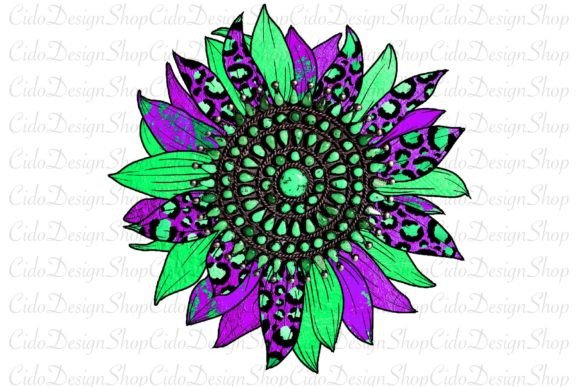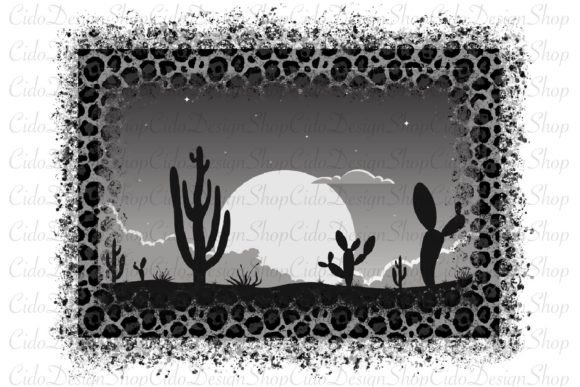
Background Png, Western Sublimation Review
As a designer who spends more time staring at stitch density charts than sleeping, I have learned to be incredibly skeptical of digital assets that promise the world. We are all familiar with the cycle: you find a beautiful graphic online, download it, pop it into your embroidery software, and immediately run into technical nightmares. That is why when I encountered Background Png, Western Sublimation, I approached it not just as a visual asset, but as a potential component in a real-world production workflow. This review evaluates whether this PNG file holds up under the scrutiny of actual machine embroidery, or if it belongs in the "digital only" folder.
The product description is refreshingly honest about what you are getting. You will receive a PNG file with a transparent background. PNGs are 300dpi and are sent as finished files with transparent backgrounds. It explicitly states that THIS IS NOT A SVG FILE. For those of us working in Print Templates and Graphics categories, this distinction is critical. An SVG offers editable vector paths, but a high-resolution PNG offers immediate visual clarity for raster-based workflows, mockups, or designs where the shape is already finalized. Understanding this limitation helps set realistic expectations for how we can manipulate the design before it ever touches a needle.
First Impressions and Visual Mood
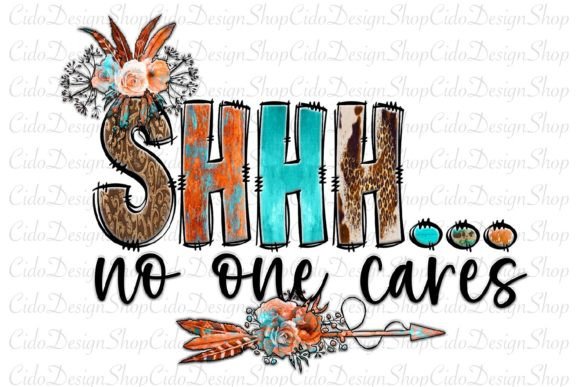
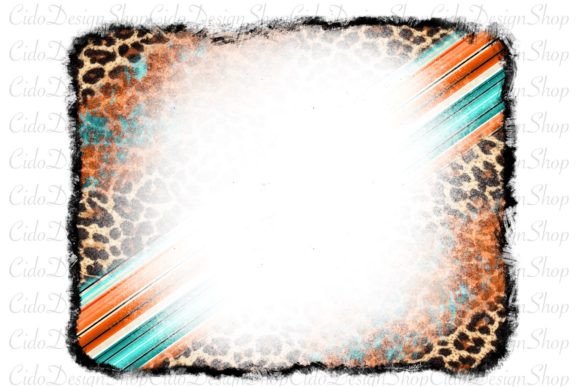
The name Background Png, Western Sublimation suggests a specific aesthetic—likely rugged, rustic, or Americana-inspired. In my experience, "Western" themes can easily fall into cliché territory if not executed with restraint. However, from a design perspective, the value here lies in its versatility as a background element. The transparent background is the star feature. It allows me to layer this graphic over textured fabrics, complex patterns, or solid colors without fighting against a boxy white square.
At 300dpi, the resolution is sufficient for standard printing needs and decent for reference purposes, though it lacks the infinite scalability of vectors. This makes it ideal for creating printable mockups for an Etsy listing or designing custom apparel where the final output is a fixed-size print or embroidered patch. The visual personality feels grounded. It doesn’t scream for attention; instead, it sets a tone. Whether you are designing for a craft fair booth or a boutique brand, this asset provides a cohesive visual anchor that says "handmade" and "authentic."
Real-World Application: From Screen to Stitch
Let’s talk about how this translates to a physical embroidery project. Imagine you are preparing a custom embroidered tote bag for a holiday gift market. You want the bag to feel premium, not mass-produced. Using Background Png, Western Sublimation as a base layer, you could place a monogram or a small logo in the center. The transparency ensures that the texture of the canvas or linen shows through, integrating the design rather than pasting it on top.
This approach works exceptionally well for sweatshirt embroidery and aprons. When designing for small business merchandise, consistency is key. If you are building a brand identity around a rustic or western theme, having a reliable graphic asset like this helps maintain that look across different products. It fits naturally into kitchen towel designs, pillow covers, and even nursery decor if the theme aligns with a cowboy or rodeo motif.
For the Etsy seller or craft business owner, this asset is also valuable for marketing. Before you commit hours to stitching, you can use the PNG to create a printable mockup. This allows you to visualize how the design interacts with different fabric textures and lighting conditions. It bridges the gap between a digital concept and a tangible finished product, helping you gauge customer appeal before investing in thread and stabilizer.
Technical Considerations and Limitations
While the visual potential is clear, there are significant technical hurdles to address. Because this is a PNG and not an SVG file, you cannot simply trace it into clean satin stitches or fill stitches in your embroidery software without some manual cleanup. Raster images converted to embroidery files often result in messy digitization, especially if the original image has gradients or semi-transparent edges.
If you plan to use this as part of a larger machine embroidery design, you must consider the stitch density. Complex details in the PNG might translate to overly dense stitch areas if traced directly, which can lead to puckering on thin fabrics. It is crucial to test the design on scrap fabric first. Check the thread color contrast carefully. A dark western theme on a black cap might get lost, while the same design on a cream apron might pop beautifully.
Be cautious when using this on curved surfaces like caps or hats. Flat graphics do not always conform well to the curvature of a brim or crown, potentially distorting the intended aesthetic. Similarly, avoid using intricate parts of the design on stretchy fabric unless you are using heavy-duty stabilizers. The lack of vector data means you lose precision when scaling, so confirm your hoop size requirements early in the process.
Where to Use Carefully
- Small Hoop Sizes: Intricate details may become indistinguishable or cause stitching errors.
- Textured Fabrics: Busy weaves can clash with the graphic, reducing visual clarity.
- Dense Stitch Areas: Avoid converting large filled areas directly to stitches without simplifying the geometry.
- Dark Fabric: Ensure the PNG has enough light tones or contrast to be visible without excessive underlay stitching.
Designer Notes for Professional Results
To get the most out of Background Png, Western Sublimation, treat it as a compositional tool rather than a direct stitch pattern. Here are practical steps to ensure quality:
- Test on Scrap Fabric: Always stitch a sample to check how the design behaves with your chosen thread and fabric combination.
- Review Stitch Density: Manually adjust any traced elements to prevent bulkiness. Use running stitch for outlines and satin stitch for borders to keep the finish crisp.
- Inspect Small Details: Zoom in on the PNG. If lines are too thin, they may break during embroidery. Simplify where necessary.
- Check Licensing: Before selling custom apparel or personalized gifts, verify the commercial use rights. This is vital for commercial embroidery projects and small shop product lines.
- Use Proper Stabilizer: The type of stabilizer (cut-away vs. tear-away) will impact the final drape and durability of the handmade product.
Final Verdict
Background Png, Western Sublimation is a solid choice for designers looking to add a thematic layer to their projects without starting from scratch. Its strength lies in its transparency and resolution, making it perfect for mockups, layered designs, and non-digitized applications. However, it requires skillful handling if you intend to convert it into a pure embroidery file.
For the creative entrepreneur or maker who understands the nuances of digitization, this asset can save time and enhance the professional look of your design assets. Just remember: the PNG is the beginning of the journey, not the end. With careful planning, appropriate stabilizers, and thoughtful stitch placement, you can transform this digital graphic into a stunning embroidered patch or tote bag design that customers will love. If you need exact stitch counts or machine compatibility specifics, you will need to evaluate the traced version yourself, as these depend entirely on your digitizing choices. But visually? It delivers exactly what the title promises.