Western Bull Skull 20oz Libbey Can Svg Review
As a designer who spends more time than I care to admit staring at stitch density charts and testing thread tension, I approach every new machine embroidery design with a healthy dose of skepticism. The market is flooded with digital assets that look stunning in a glossy preview but fall apart the moment they hit the hoop. This is why I take a hands-on approach before recommending any embroidery file for client work or small business inventory.
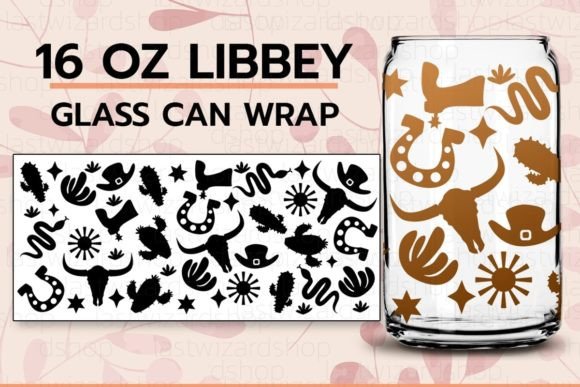
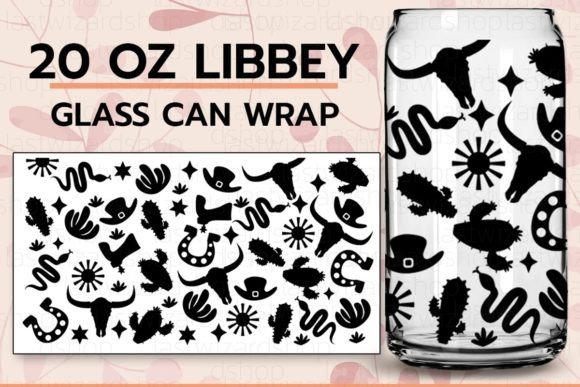
Recently, I evaluated the Western Bull Skull 20oz Libbey Can Svg, a design that sits at the intersection of rugged Americana and modern craft culture. While it is marketed as a template for vinyl cutting on glassware, its vector nature makes it a fascinating candidate for textile application. Below is my honest assessment of how this graphic translates from a screen to fabric, specifically for those of you looking to expand your catalog of custom apparel and handmade products.
First Impressions: Mood and Visual Personality
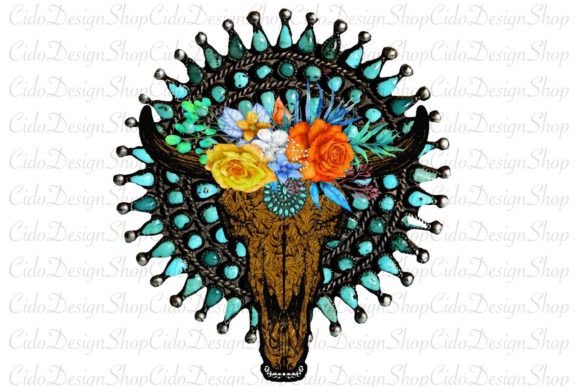
The immediate appeal of this design lies in its bold silhouette. The combination of a weathered bull skull and the recognizable outline of a 20-ounce beverage can creates a juxtaposition that feels both nostalgic and contemporary. It taps into the "cottagecore" and "western aesthetic" trends that have dominated platforms like Etsy and Pinterest for the past few years.
From a layout perspective, the design is clean. There are no unnecessary stray nodes or chaotic overlapping paths that often plague downloaded SVGs. This cleanliness is crucial when converting a graphic into an applique design or when planning out the placement of various stitch types. The visual personality is confident—it doesn’t whisper; it shouts rustic cool. For a small shop product aiming to attract customers who appreciate artisanal, rugged aesthetics, this mood hits the mark perfectly.
Real-World Application: Where Does This Fit?
I don’t believe in using designs in isolation. A great embroidery project tells a story. So, where does the Western Bull Skull 20oz Libbey Can Svg actually live in a finished product? Here is how I see it performing in specific scenarios:
- Sweatshirt Embroidery: This is perhaps the strongest use case. Placing this design on the chest of a heavyweight, oatmeal-colored crewneck sweatshirt creates an instant statement piece. The western theme pairs naturally with soft, worn-in fabrics.
- Tote Bag Design: For the Etsy seller targeting students or creatives, a canvas tote featuring this graphic is highly marketable. It serves as a functional accessory that also acts as a walking billboard for the brand.
- Embroidered Patch: If you sell accessories, digitizing this as a detachable patch allows for versatility. Customers can attach it to denim jackets, backpacks, or beanies, extending the life of the finished product.
- Kitchen Towels and Aprons: Don’t overlook home goods. A tea towel with this graphic adds character to a farmhouse-style kitchen. It’s a perfect personalized gift for housewarmings or holidays.
- Baby Embroidery: Surprisingly, this works for gender-neutral baby items. On a onesie or burp cloth, it offers a unique alternative to traditional floral or animal motifs, appealing to parents who want something edgy yet cute.
Technical Execution and Stitch Considerations
Converting a vector SVG into a stitchable digital embroidery file requires careful planning. Because the original file is likely intended for vinyl or print, you will need to make decisions about how to interpret the lines and shapes.
Stitch Density and Clarity: The bull skull portion likely contains intricate details—eye sockets, teeth, and texture marks. If these are too dense, the fabric may pucker or the needle may break. I recommend breaking down the skull into separate layers if possible. Use fill stitch for the main body of the skull to give it weight, but consider using running stitch or satin stitch for finer outlines to maintain clarity. Avoid over-stitching the fine lines, as they will blur together.
Thread Colors: Contrast is key. On dark fabric, light threads (cream, beige, silver) will pop, emphasizing the "bone" aspect of the skull. On light fabric, darker threads (charcoal, navy, rust) will provide definition. Test your thread colors against your actual fabric swatches before committing to a production run.
Hoop Size: Ensure the final digitized size fits comfortably within your standard hoop sizes. If the design is too large, you may struggle with positioning, especially on curved surfaces like caps. Always check the dimensions in your embroidery software before hooping.
Where to Be Cautious
Not every surface is created equal. There are specific situations where this design might not perform as well:
- Small Hoop Sizes: If you attempt to stitch this on a very small area, such as a child’s pocket or a tiny logo spot, the details may become muddy. Keep the minimum size reasonable to preserve the integrity of the skull’s features.
- Textured Fabrics: Rough weaves or heavy terry cloth can obscure fine details. Stick to smooth cottons, linens, or blends for the best result.
- Stretchy Fabrics: Knits require proper stabilizer usage. Without adequate support, the design may distort during stitching. Always use tear-away or cut-away stabilizer depending on the fabric weight.
- Dense Stitch Areas: Avoid placing the heaviest stitch areas near seams or edges, as this can cause puckering and affect the drape of the garment.
Impact on Brand and Customer Trust
For the craft business owner, presentation matters. A well-executed embroidery project signals professionalism. When a customer receives a personalized gift or a piece of custom apparel that looks crisp and intentional, their trust in your brand increases. They perceive higher value in the item, which justifies premium pricing.
Furthermore, designs like the Western Bull Skull 20oz Libbey Can Svg are highly shareable. In the age of social media, customers love to post photos of their purchases. A visually striking, culturally relevant design encourages user-generated content, which serves as free marketing for your print Templates and Graphics offerings. It helps build a community around your brand identity.
Practical Designer Notes Before You Stitch
Before you rush to digitize and produce, keep these practical tips in mind:
- Test on Scrap Fabric: Never go straight to the final product. Run a test stitch on a scrap piece of the same fabric type to check for tension issues, color matching, and overall look.
- Inspect Small Details: Zoom in on the digital file. Are there tiny elements that won’t survive the stitching process? Simplify or remove them if necessary.
- Check Licensing: As always, verify the commercial use rights of the source file. Even if you are modifying it, ensure you have the license to sell finished items made from this design.
- Use Proper Stabilizer: The right stabilizer can mean the difference between a professional finish and a warped mess. Choose based on your fabric’s stretch and weight.
- Compare Light and Dark Backgrounds: See how the design holds up on both ends of the spectrum. This helps you offer more variety to your customers.
In conclusion, the Western Bull Skull 20oz Libbey Can Svg is a versatile asset with strong commercial potential. It bridges the gap between digital graphics and tactile crafts, offering a fresh take on western themes. With careful digitization and attention to stitch quality, it can elevate your embroidery project portfolio and delight your customers.