Rowdy Little Cowboy Review
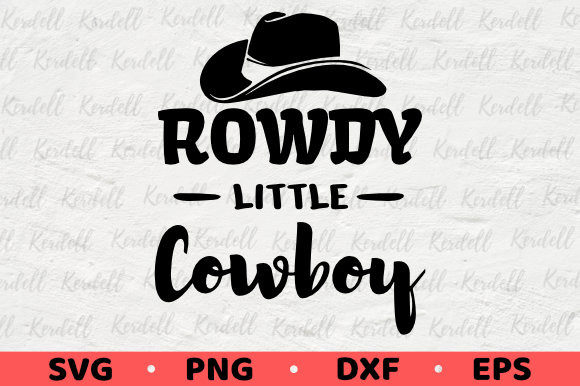
As a designer who spends more time than I care to admit staring at stitch lines and debating thread color palettes, I don’t just look at an embroidery file; I look at how it will behave under the needle. When Rowdy Little Cowboy, Cute Southern Cowboy landed in my inbox as part of a new batch of Illustrations and Graphics assets, my first instinct was skepticism. The market is saturated with cowboy motifs, and many of them suffer from over-complication or vague silhouettes that turn into muddy blobs when stitched down. However, after running some preliminary tests on scrap fabric and visualizing this design for real-world applications, I’ve found that this particular piece has genuine potential for both personal projects and commercial merchandise.
First Impressions: Mood and Visual Personality
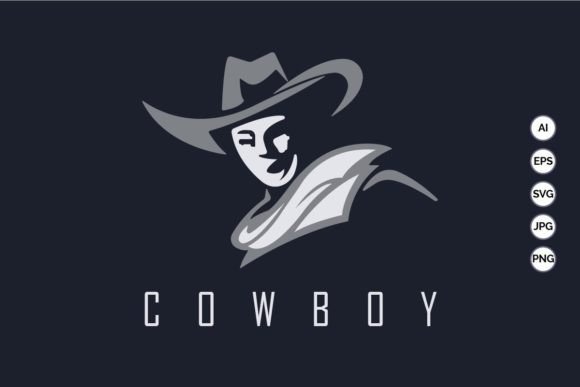
The immediate appeal of Rowdy Little Cowboy, Cute Southern Cowboy lies in its balance. It isn’t trying to be a rugged, weathered western portrait, nor is it overly saccharine. Instead, it captures a specific "southern charm" aesthetic that feels approachable and warm. The layout is clean, which is crucial for embroidery. In my experience, designs that are too dense often lose their character during the digitizing process, especially if they are converted from raster images like PNGs without careful vector tracing. This design seems to retain its personality even when simplified for stitching.
The visual weight of the character suggests it works best as a focal point rather than a background element. It has enough detail to hold attention but not so much that it requires a massive hoop size to appreciate. For designers looking to create custom apparel or personalized gifts, this kind of clear, recognizable silhouette is gold. It translates well to various mediums, whether you are creating a high-end boutique item or a quick craft fair product.
Real-World Application: Where Does It Fit?
I spent some time imagining where Rowdy Little Cowboy, Cute Southern Cowboy would actually sell or shine. The most obvious application is obviously sweatshirt embroidery. A cropped hoodie or a classic crewneck sweatshirt in cream, sage green, or dusty rose would provide the perfect canvas. The contrast between the soft fabric texture and the defined stitches of the cowboy figure creates a tactile quality that customers love. It feels cozy, which is exactly the vibe this design exudes.
Beyond apparel, I see this design thriving in the nursery and baby category. Baby embroidery items such as muslin swaddles, hooded towels, or tiny onesies benefit from designs that are cute but not cluttered. This cowboy motif fits perfectly into a western-themed nursery or a gender-neutral gift set. It also works beautifully as an embroidered patch for denim jackets or backpacks, adding a touch of personality to everyday wear.
For the Etsy seller or small shop product owner, versatility is key. This design can easily be adapted for tote bag design projects. A simple canvas tote with the cowboy centered on the chest area looks professional and ready-to-wear. It also pairs well with kitchen textiles. Imagine this stitched onto a flour sack towel or a tea towel—holiday embroidery items featuring this character could make excellent hostess gifts or wedding favors, especially for couples with a southern or rustic theme.
Performance on Different Fabrics and Garments
When evaluating any machine embroidery design, the substrate matters just as much as the art itself. Rowdy Little Cowboy, Cute Southern Cowboy appears to have a moderate level of detail, which means it should perform well on stable fabrics like cotton, linen, and denim. However, caution is advised when moving to more challenging materials.
If you plan to use this on stretchy fabric like jersey knits, you must ensure you are using the correct stabilizer to prevent puckering. The structural integrity of the design relies on the fabric holding its shape while the needle penetrates. Similarly, on textured fabrics like terry cloth or heavy fleece, fine details might get lost. In these cases, simplifying the design or increasing the size of the primary elements might be necessary to maintain clarity.
Another consideration is dark fabric. While the design files (SVG, PNG, DXF, EPS) allow for digital mockups, the actual result depends heavily on your thread colors. On black or navy garments, you will need light-colored threads to ensure the cowboy stands out. If the original design relies on subtle shading that doesn't translate well to thread, you may end up with a flat, low-contrast image. Always test your color palette before committing to a full production run.
Technical Considerations for the Designer
As an experienced reviewer, I have to point out a few technical realities. The product description mentions that the download contains SVG, PNG, DXF, and EPS files. This is excellent for versatility, allowing you to print on mugs or stickers as noted, but for embroidery, you need to know how these convert to machine-readable formats. If the provided files do not include a native .DST or .PES file, you will need to digitize them yourself or use a reliable converter.
Before finalizing any embroidery project with this asset, I strongly advise the following steps:
- Test on Scrap Fabric: Never trust a digital preview entirely. Stitch the design on the actual fabric you intend to use. This reveals issues with thread tension, backing stability, and color contrast that screens cannot show.
- Check Stitch Density: Ensure the stitch density is appropriate for the fabric weight. Too dense, and the fabric will pucker; too sparse, and the fabric may show through the stitches.
- Inspect Small Details: Zoom in on the digital file. Are there tiny elements that might break or tangle during stitching? If the design includes fine lines or small text, consider simplifying them for better durability, especially for items that will undergo frequent washing.
- Confirm Hoop Size: Make sure the design fits within your standard hoop sizes. If the design is large, you may need to rehoop, which can affect alignment and precision.
- Review Licensing: As a commercial embroidery user, you must verify the license terms. Can you sell finished products made from this design? Are there restrictions on the number of units? Clarify this before listing your items on Etsy or your own website.
Impact on Brand and Customer Perception
Using a well-executed design like Rowdy Little Cowboy, Cute Southern Cowboy directly impacts customer trust and brand consistency. When a customer receives a handmade product, they are judging the quality by the neatness of the stitches and the clarity of the image. A clean, professional-looking cowboy motif suggests that the maker cares about details. This perception increases the perceived value of the finished product, allowing you to command a higher price point.
Furthermore, the "cute southern" theme has broad appeal. It taps into a popular aesthetic that resonates with a wide demographic, from young parents buying baby gifts to adults looking for unique home decor. This versatility makes it a safe bet for inventory planning. You can create a cohesive collection by pairing this design with complementary elements, such as floral accents or western-style typography, to create a stronger design assets library for your business.
Final Verdict
In conclusion, Rowdy Little Cowboy, Cute Southern Cowboy is a solid addition to any embroiderer’s library. It strikes a nice balance between charm and simplicity, making it suitable for a variety of handmade product categories. From custom apparel to personalized gifts, this design has the potential to be a bestseller if executed with proper technique. By paying attention to fabric choice, thread selection, and stabilization, you can transform this digital graphic into a tangible, high-quality item that customers will love. Just remember to do your due diligence on licensing and testing to ensure your craft business runs smoothly and professionally.