Boot Scootin Western Desert Review
As a designer who spends half my life staring at stitch maps and the other half worrying about thread tension, I don’t just buy embroidery files; I stress-test them. When Boot Scootin Western Desert landed in my inbox, I didn’t immediately think about selling it on Etsy or adding it to my commercial catalog. I thought about the next client request that was due in forty-eight hours. Would this design hold up? Would it look professional after twenty washes? And most importantly, would it actually capture the vibe we are trying to sell?
This review is not a marketing blurb. It is a practical breakdown of how Boot Scootin Western Desert performs when moved from a digital preview to a real-world embroidery project. If you are an Etsy seller, a small shop owner, or a crafter looking for reliable design assets, here is what you need to know before you hit “start” on your machine.
The First Impression: Mood and Visual Personality
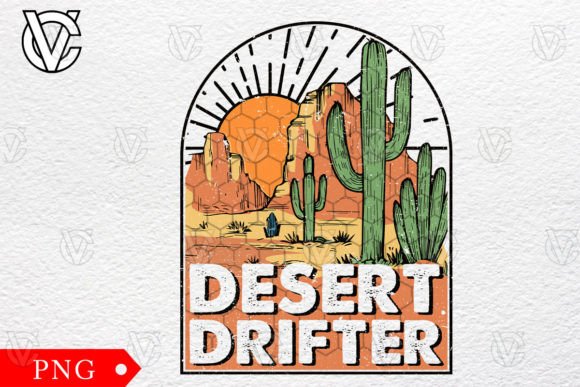
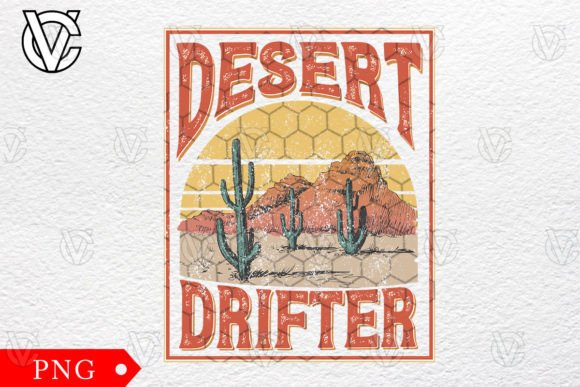
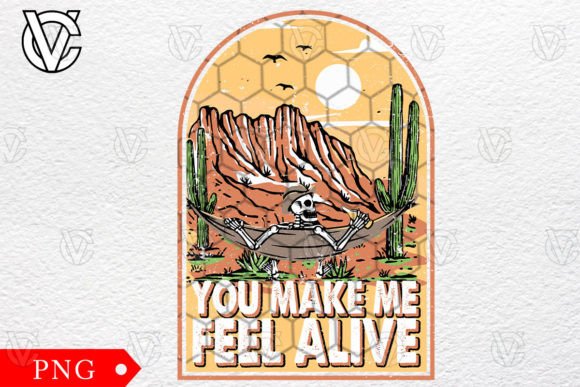
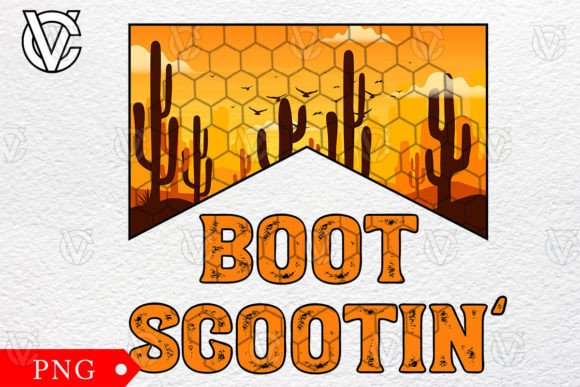
The name Boot Scootin Western Desert suggests a specific aesthetic: rugged, casual, and rooted in Americana. From a design perspective, the layout feels balanced for standard garment placement. It doesn’t scream for attention with overly complex fractals; instead, it relies on strong shapes and clear negative space. This is crucial for machine embroidery design because it translates well to thread.
Visually, the design creates a mood that is both nostalgic and trendy. It fits perfectly into the current wave of western-inspired fashion. The visual personality is confident but not aggressive. For a handmade product, this means the piece feels approachable. It’s the kind of design that makes a customer smile because it reminds them of weekend trips, dusty trails, or simply the comfort of a good pair of boots. As a graphic element within a Print Templates collection, it stands out because it has character without being cluttered.
Real-World Application: Where Does It Shine?
I took Boot Scootin Western Desert through several potential use cases to see where it truly excels. The versatility of this file is its strongest asset, but it has distinct sweet spots.
- Custom Apparel and Sweatshirts: This is the natural home for this design. On a heather grey or cream sweatshirt, the western theme pops. The scale works beautifully on the chest or as a larger back print. It adds value to basic blanks, turning a $15 tee into a boutique-quality item.
- Tote Bag Design: Canvas bags are a staple for craft fairs. The resolution of the source file (4500x5400 pixels) ensures that even if you digitize it carefully, the lines remain crisp. A tote bag design featuring this motif appeals to shoppers looking for functional yet stylish accessories.
- Baby Embroidery and Nursery Decor: Don’t overlook the softer side of western themes. In pastel threads, Boot Scootin Western Desert can be adapted for baby onesies or nursery wall art. It offers a unique alternative to the usual stars and moons, giving parents something distinctive for their personalized gift orders.
- Holiday Embroidery: With the right color palette—think rusts, oranges, and deep greens—this design transitions seamlessly into fall and holiday collections. It fits the seasonal mood perfectly, making it a smart addition to any craft business inventory during Q4.
Technical Performance and Stitch Clarity
When evaluating an embroidery file, I always look at how the details translate to thread. Boot Scootin Western Desert appears to rely heavily on clean lines and defined areas, which minimizes the risk of messy underlay stitches. However, every designer knows that the devil is in the details.
If the design includes fine text or intricate patterns, you must check the stitch density. High density on thin fabrics can cause puckering, while low density on thick fabrics like denim might look sparse. For custom apparel made from heavy materials, ensure you are using a cut-away stabilizer to keep the structure intact. For lighter fabrics, a tear-away or water-soluble stabilizer might be necessary to prevent bulk.
One critical note: Always test the thread colors against your fabric. The contrast between the thread and the material is what gives the finished product its polish. A dark design on black fabric requires a metallic or bright thread to pop, whereas a light design on white fabric needs depth. Running a quick printable mockup in black and white can help you visualize the tonal balance before you waste expensive specialty threads.
Where to Use Caution
No design is perfect for every surface. There are specific scenarios where Boot Scootin Western Desert might struggle if you aren’t careful.
- Small Hoop Sizes: If you are working with tiny items like socks or very small patches, ensure the design scales down without losing legibility. Tiny lettering or thin lines can merge together if the hoop size is too restrictive.
- Textured and Stretchy Fabrics: Knits and highly textured weaves can distort the shape of the embroidery. On stretchy fabrics, the design may warp during stitching. Pre-stretching the fabric or using a strong stabilizer is non-negotiable here.
- Curved Surfaces: While caps are popular, embroidering a flat design onto a curved brim or crown can lead to distortion. You may need to adjust the hooping technique or use a specialized cap frame to maintain the integrity of the applique design elements.
- Dense Stitch Areas: If the design features large blocks of fill stitch, be mindful of the fabric’s ability to support that weight. Too much density on a delicate shirt collar can make it stiff and uncomfortable.
Commercial Viability and Brand Consistency
For those of us running a small shop product line, consistency is key. Boot Scootin Western Desert has a cohesive look that aligns well with brands focused on rustic, handmade, or artisanal aesthetics. It signals quality to the buyer. When a customer sees a well-executed embroidered patch or a clean sweatshirt embroidery job, they perceive higher value in the item.
This design also works exceptionally well for commercial embroidery projects where speed and reliability matter. Because the layout is straightforward, it reduces the time spent troubleshooting tension issues, allowing you to produce more units. For Etsy sellers, having a versatile design that can be applied to multiple product types—from kitchen towels to pillow covers—maximizes the return on investment for the file purchase.
Final Designer Notes
Before you start mass-producing items with Boot Scootin Western Desert, follow these steps to ensure success:
- Test on Scrap Fabric: Never skip this step. Different fabric blends react differently to thread and stabilizers.
- Check Licensing: Confirm whether the digital embroidery file allows for commercial use of the finished goods. This is vital for protecting your craft business.
- Inspect Small Details: Zoom in on the PNG preview. Are there any tiny elements that might get lost in translation?
- Review Satin and Running Stitches: Ensure that border stitches are dense enough to cover the fabric but not so dense that they create ridges.
In conclusion, Boot Scootin Western Desert is a solid, market-ready design that brings a touch of western charm to any embroidery project. It is versatile enough for personal gifts and robust enough for commercial production. By paying attention to fabric choice, stabilizer selection, and thread contrast, you can turn this digital download into a best-selling physical product. It is a smart addition to any designer’s library of graphics and print templates for the modern maker.